How AI-Native Unicorns Scale: Key Takeaways
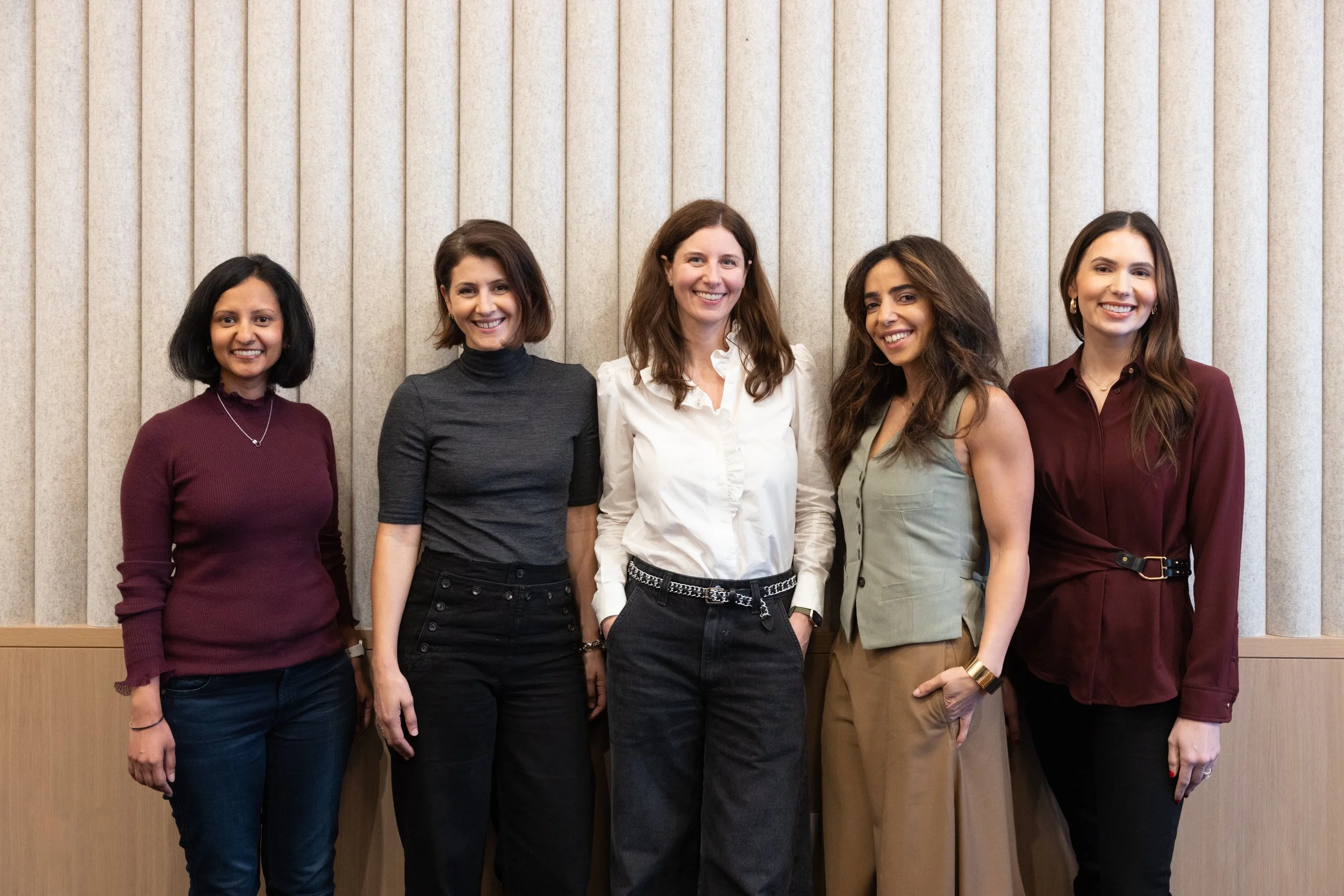
This is a recap of our live Enrich event in SF on March 3, 2026, featuring Anique Drumright, CPO, Harvey; Haya Odeh, VP of Design & Co-Founder, Replit; and Cristina Cordova, COO, Linear: moderated by Surabhi Gupta, CTO, Klaviyo. Enrich was thrilled to host this powerhouse panel! It was a highly anticipated event, with a 1000+ waiting list.
Three executives from some of the most closely watched AI-native companies shared how they're actually running their organizations - the trade-offs they're making, the bets they're placing, and the things keeping them up at night.
They didn’t just confirm what we all know - AI is here and will change everything about how we work. But they came with real, tangible examples of how they are building products, implementing tools, and navigating a disrupted workforce. Below are some of the key insights.
1. Speed is a strategy, and the platform is the product
Linear's Cristina Cordova was direct: competitive advantage today is less about features and more about velocity. Linear has shifted from building every integration themselves to opening up APIs so an entire ecosystem of builders can extend the product. Companies like OpenAI and Cursor are now building agents on top of Linear's infrastructure. The implication for leaders is significant: if you're still building everything in-house, you're probably moving slower than you need to be.
The takeaway: Stop asking what you should build. Start asking what you should enable.
2. Roadmaps are dead. Goals are in.
All three panelists have moved away from traditional long-horizon roadmaps. The new model: detailed goals for the next three months, broader directional goals for six to twelve months, and a multi-year vision that anchors the team.
One panelist described a particularly telling ritual: when a major model update drops, the team locks themselves in a room and builds. Fast. No waiting for the next planning cycle.
The takeaway: Build toward where the models will be in six months, not where they are today. Your planning cadence needs to match the pace of capability change.
3. Study foundation model companies, not your traditional competitors
The panelists reframed the competitive landscape entirely: your historical competitors may have been slow to adopt AI, but that head start is shrinking.
Foundation model companies, not traditional SaaS players, are the more relevant strategic benchmarks right now. They're the ones moving fastest and shaping what customers will expect.
The takeaway: If you're mapping your strategy against competitors from two years ago, you're using the wrong map.
4. The SaaS-pocalypse might be coming for slow-growth companies
This was the panel's most spirited moment. Haya shared that Replit considered putting up a billboard that simply said "SaaS is dying," reflecting their view that users increasingly want to build custom solutions tailored to their exact needs rather than adopt off-the-shelf tools.
Cristina pushed back with data: software costs are typically less than 10% of overall operating expenses, so unless you're growing slowly, the savings from replacing SaaS subscriptions with internal builds probably aren't worth the distraction.
The takeaway: The question isn't whether SaaS survives. It's whether your customers are on a growth trajectory that makes switching worth it.
5. The best hires might not look like the best hires
Haya has been hiring college dropouts who are, in her words, "insanely productive" even without traditional credentials.
Cristina offered a complementary framework: fish from two talent pools. First, ex-entrepreneurs who bring high ownership, curiosity, and generalist hustle. Second, traditional product people with strong craft. The signal is the quality of their work, not the path they took to get there.
The takeaway: Broaden your candidate funnel. The most productive people in the AI era may not have conventional pedigrees, and that's a hiring advantage today.
6. Product quality is declining — and leaders should care
Overall product quality has declined with the rise of AI coding tools and more bugs are shipping. Customer tolerance for bugs may have increased alongside this trend, but that won’t last. Quality still matters, even if it takes time to reassert itself.
The takeaway: Shipping faster with agents doesn't mean shipping worse products. Invest in design systems, invest in review infrastructure, and don't assume your users will forgive a degraded experience indefinitely.
7. Eng and Product jobs are fundamentally changing - help them adapt
Professional engineers are now managing agents, reviewing AI-generated code, and operating more like technical leads than individual contributors. Some engineers, particularly those who found meaning in the craft of writing code, are experiencing this as a genuine identity shift.
At the same time, the bottleneck has moved: with agents producing more PRs than ever, code review, testing, and deployment are now the constraints. The new engineering value-add is about workflow optimization, judgment, and orchestration.
Anique put it plainly: the craft of building a team deserves the same intentionality as the craft of building the product. With AI amplifying output, your hiring decisions have compound effects spiraling faster than ever.
The takeaway: Be intentional about how you're building and supporting your teams through this transition. The roles have changed faster than most organizations have updated their expectations or their support structures.
The bottom line
What connected all of these discussions was a single underlying tension: how do you move fast enough to win in an AI-native world without losing the things that made your product worth building in the first place? The leaders on this panel don't have a perfect answer.
But they're asking the right questions, making deliberate trade-offs, and being honest about the costs. That curiosity and adaptability, more than any single tactic, might be the most useful takeaway.
This event recap was produced by Enrich, the private network for senior leaders in tech. Check out more events here.
